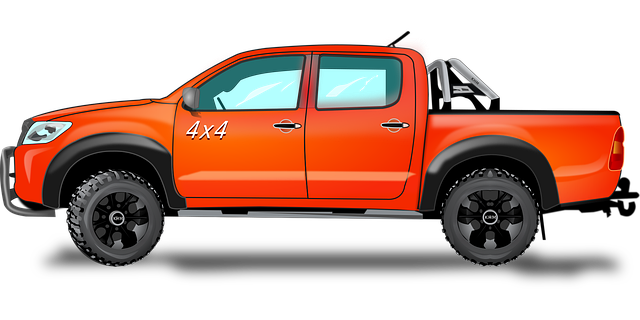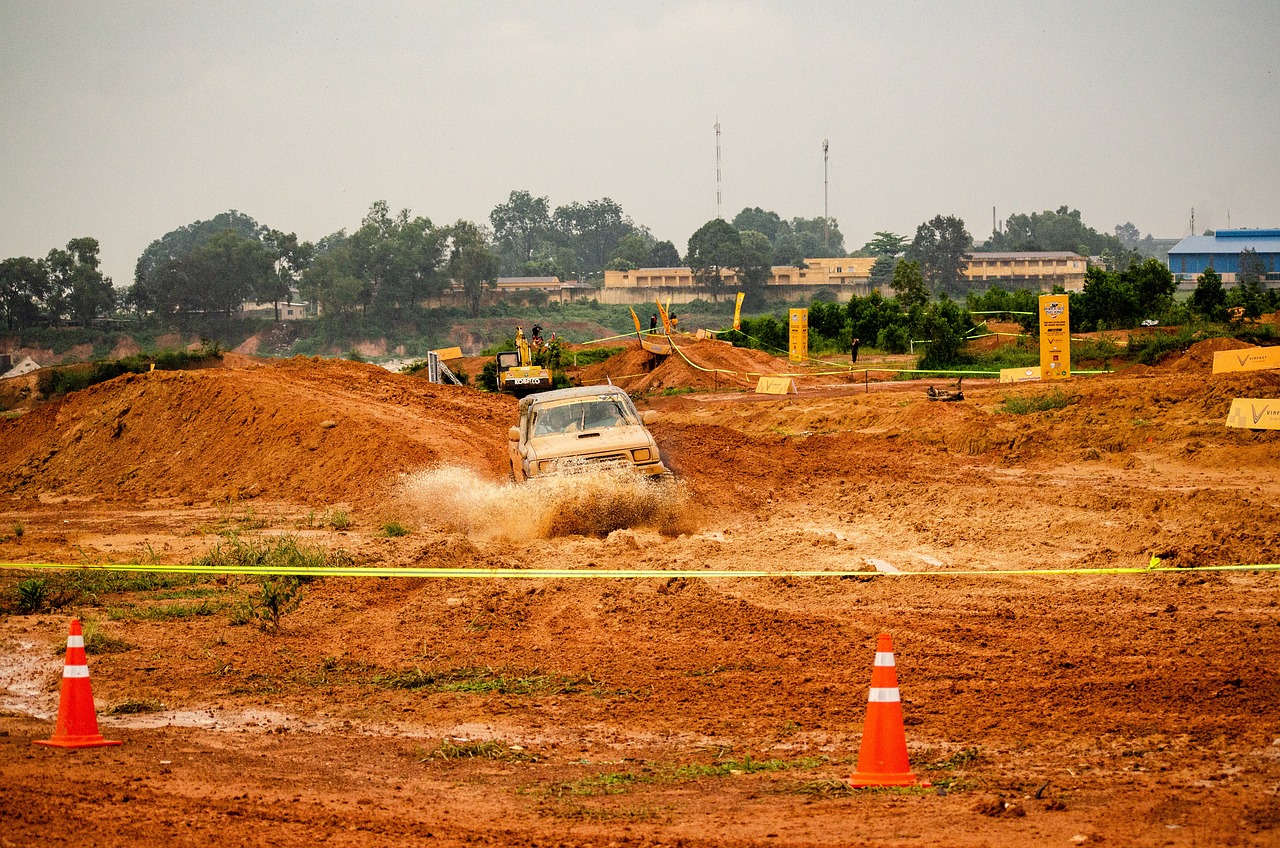
Brownsville-overland-4×4-accessories have become a staple for off-road enthusiasts looking to elevate their vehicle’s capabilities and durability. In this comprehensive guide, we delve into the world of axle assemblies, exploring how these essential components contribute to your 4×4’s performance and versatility. We’ll cover everything from understanding basic axle types to selecting the right accessories for your specific needs, ensuring you make informed decisions that enhance your overland adventures.
Understanding Axle Assemblies: The Backbone of Your 4×4
Axle assemblies are a critical part of any four-wheel drive (4WD) or all-wheel drive (AWD) system, playing a pivotal role in power distribution, traction, and overall vehicle stability. At their core, axle assemblies include the following key elements:
-
Axle Housing: The housing is the main structure that houses the gears, bearings, and other components responsible for transmitting power from the differential to the wheels.
-
Differential: Acting as a gear system, differentials allow each wheel on an axel to rotate at slightly different speeds, enabling smooth cornering and preventing tire slippage.
-
Bearing Sets: Bearings support the weight of the vehicle and facilitate smooth rotation, reducing friction and wear on other components.
-
Axle Shafts: These shafts transmit power from the differential to the wheels, ensuring a solid connection for optimal traction.
By working in harmony, these components enable your 4×4 to navigate challenging terrain with ease, making them a crucial investment for any serious off-roader.
Types of Axle Assemblies: Matching Your Adventure Style
Brownsville-overland-4×4-accessories come in various types, each designed to cater to specific driving conditions and preferences. Understanding these differences is essential when equipping your vehicle for maximum performance:
1. Solid Axle Assemblies: Rugged and Reliable
Solid axle assemblies feature a single, solid axle shaft running through the center of the assembly. Known for their robust construction and simplicity, they are popular choices for light-duty off-roading and everyday driving. These assemblies offer excellent durability and are less prone to failure in harsh conditions. Solid axles are often preferred by those who primarily drive on moderate terrain or use their vehicle for towing.
2. Independent Suspension Axles: Enhanced Handling and Comfort
Independent suspension systems, as the name suggests, allow each wheel to move independently of the other. This design significantly improves ride quality and handling, especially over uneven surfaces. When equipped with independent suspension axles, your 4×4 will provide smoother cornering, reduced body roll, and better overall control. These assemblies are ideal for off-road enthusiasts who prioritize both comfort and performance.
3. Limited Slip Differentials: Unlocking Maximum Traction
Differentials that incorporate limited slip technology are designed to mitigate wheel spin during acceleration or when navigating challenging terrain. When one wheel begins to lose traction, the limited slip differential transfers power to the wheel with better grip, ensuring all wheels receive the necessary torque for optimal performance. This feature is invaluable in low-traction conditions, making it a preferred choice for serious off-roaders and those who frequently encounter muddy or snowy trails.
4. Customized Axle Assemblies: Tailored for Your Adventure
For those seeking a truly bespoke experience, custom axle assemblies offer unparalleled flexibility. These are designed to meet specific performance criteria, vehicle weight, and terrain challenges. By working with experienced manufacturers, you can specify exact gear ratios, bearing types, and other features to create an axle assembly that perfectly suits your unique overland adventures. Customization ensures optimal performance and longevity in the most demanding conditions.
Choosing the Right Brownsville Overland 4×4 Accessories: A Step-by-Step Guide
Selecting the appropriate axle assemblies for your off-road rig involves careful consideration of several factors. Here’s a step-by-step guide to help you make an informed decision:
-
Identify Your Driving Style and Terrain: Begin by evaluating how you plan to use your 4×4. Do you primarily drive on rough trails, or do you frequent paved roads more often? Knowing your primary terrain will help determine the axle assembly type best suited for your needs.
-
Consider Vehicle Weight and Power Output: Axle assemblies must be capable of handling your vehicle’s weight and the power output of its engine. Heavier vehicles may require stronger, more durable axles. Consult your vehicle’s specifications and consider future modifications to ensure adequate capacity.
-
Research Performance Requirements: Think about the specific performance characteristics you desire. Do you need maximum traction for rock crawling, or do you prioritize fuel efficiency for long-distance trips? Different axle assemblies excel in various areas, so understanding your priorities is essential.
-
Check Compatibility and Fitment: Ensure that the axle assemblies you choose are compatible with your vehicle’s make, model, and year. Incorrect fitment can lead to alignment issues and potential damage to other components. Consult manufacturer guidelines or seek expert advice if you have a unique vehicle.
-
Consider Brand Reputation and Warranty: Reputable manufacturers offer high-quality axles that are built to last. Look for brands with positive reviews and robust warranties, which provide peace of mind in the event of rare manufacturing defects or issues during installation.
Upgrading Your Brownsville Overland 4×4: Installation Tips
Installing new axle assemblies is a significant upgrade that can transform your off-road experience. Here are some valuable tips to ensure a smooth installation process:
-
Consult a Professional: If you’re not experienced with vehicle repairs, consider seeking professional assistance for the initial installation. Proper alignment and setup are crucial for optimal performance and safety.
-
Use High-Quality Hardware: Ensure all fasteners, bushings, and seals are of the highest quality to prevent premature wear and failure.
-
Follow Manufacturer Instructions: Refer to the instructions provided by the axle manufacturer for detailed guidance on installation, including any specific tools required.
-
Check Differential Fluid Levels: After installation, verify that your differentials have the appropriate amount of fluid. This step is crucial for proper differential function and lubrication.
-
Test Drive and Adjust: Take your vehicle for a test drive in varying conditions to ensure smooth operation. Make any necessary adjustments to alignment or other settings recommended by the manufacturer.
Frequently Asked Questions (FAQs)
1. How often should I replace my axle assemblies?
Axle assembly replacement intervals vary depending on factors such as driving frequency, terrain, and vehicle weight. As a general guideline, inspect your axles regularly for signs of wear or damage, especially if you frequently drive on rough trails. Most standard solid axle assemblies can last several hundred thousand miles with proper care, while independent suspension systems may require more frequent attention due to their complex design.
2. Do I need a special vehicle setup for off-road axle upgrades?
While some off-road modifications are relatively straightforward, axle assembly installations often require specific tools and expertise. It’s crucial to ensure your vehicle is properly prepared for such upgrades, including suitable suspension lift kits (if necessary) and reinforced components to handle the increased stress on the drivetrain. Consulting with experienced mechanics or off-road specialists is highly recommended.
3. How do limited slip differentials differ from open differentials?
The primary difference lies in their behavior when one wheel loses traction. An open differential allows each wheel to rotate at different speeds, which can lead to power loss and reduced grip during challenging conditions. In contrast, a limited slip differential transfers power to the wheel with better traction, ensuring all wheels receive adequate torque for improved performance on low-traction surfaces.
4. Can I use aftermarket axle assemblies on my stock vehicle?
In many cases, yes, but it depends on your vehicle’s make, model, and year. Aftermarket axles are designed to fit specific vehicle platforms, so thorough research is necessary to ensure compatibility. Incorrectly installed aftermarket parts may cause alignment issues, damage to other components, or even safety hazards. Consulting with experts or manufacturers is advisable to avoid potential problems.
5. How do I know if my axle assemblies need replacement?
Signs of wear and damage include excessive noise during acceleration, vibration while driving, or visible signs of corrosion and damage. If your vehicle struggles to climb hills or maintains inconsistent speed while towing, it could indicate an issue with the axle assemblies. Regular inspection and maintenance are crucial for identifying potential problems early on, allowing for timely repairs or replacements.
Conclusion: Elevate Your Overland Adventure with Premium Brownsville Overland 4×4 Accessories
Brownsville-overland-4×4-accessories play a pivotal role in enhancing your off-road capabilities and ensuring a safe, enjoyable experience. By understanding axle assembly types, factors to consider when selecting components, and installation best practices, you can make informed decisions that elevate your 4×4’s performance. Investing in top-quality axle assemblies from reputable manufacturers is a smart choice for those serious about exploring the great outdoors with confidence.
Whether you’re tackling rugged trails or simply commuting to work, the right axle assemblies will provide the traction, durability, and handling you need. With proper care and maintenance, your upgraded 4×4 will be ready to conquer any terrain, ensuring countless memorable adventures ahead.